When you think of Hungarian cuisine, goulash soup, chicken paprikash, or a rich beef stew probably come to mind. These dishes are connected by more than tradition: paprika is a defining ingredient in Hungarian cuisine, giving many classic dishes their distinctive color, aroma, and character.
Hungarian paprika, however, does not necessarily mean spicy food. From sweeter, aromatic varieties to hotter types, paprika comes in many forms, and choosing the right one is just as important as knowing how to use it during cooking.
And if you’re looking for a traditional Hungarian restaurant in Budapest city center where you can not only read about these flavors but taste them for yourself, the menu at Paprika Kitchen & Bar features several classic Hungarian dishes.
Explore the traditional Hungarian menu at Paprika Kitchen & Bar
Why is Paprika so important in Hungarian Cuisine?
Paprika has become one of the most recognizable symbols of Hungarian gastronomy. It gives dishes their distinctive red color, aroma, and depth of flavor, while the way it is used is closely connected to culinary traditions passed down through generations.
Two of Hungary’s best-known centers of paprika production are Szeged and Kalocsa. The growing conditions of southern Hungary are particularly well suited to paprika, and the names of these two cities have become closely associated with high-quality Hungarian paprika.
The importance of paprika in Hungary is also reflected in the work of Albert Szent-Györgyi, who extracted large quantities of vitamin C from paprika during his research in Szeged. The history of Hungarian paprika is therefore connected not only to gastronomy but also to the history of Hungarian science.
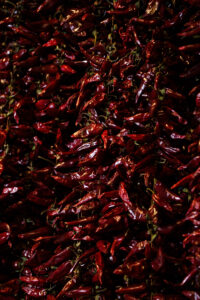
Is Hungarian Paprika always spicy?
One of the most common misconceptions is that dishes made with Hungarian paprika are necessarily hot. Paprika in Hungarian cuisine is about much more than heat: sweet, aromatic, and full-bodied flavors are just as important.
Different varieties can give a dish very different characteristics. Here are a few important names you may come across in restaurants or while shopping:
- Édesnemes (Noble Sweet): a bright red, aromatic variety with a predominantly sweet character.
- Csípősmentes csemege (Mild Delicate): a milder variety for those who want to enjoy the aroma of paprika without the heat.
- Erős (Hot): a more intense, spicy variety for those looking for bolder flavors.
The bright red color of paprika does not automatically mean that a dish will be spicy. In many traditional Hungarian dishes, sweeter paprika is responsible for the deep color and distinctive aroma we associate with Hungarian cuisine.
How is Paprika used in traditional Hungarian Dishes?
Simply sprinkling paprika over a finished dish is not enough. In traditional Hungarian cuisine, paprika plays an important role from the early stages of cooking, and the way it is used can significantly influence the final result.
The aromas of paprika develop particularly well in fat. In traditional cooking, paprika is therefore added to a base of onions and fat. Temperature is crucial, however: if exposed to excessive heat, paprika can easily burn and give the dish a bitter taste.
A properly prepared paprika base gives many Hungarian dishes their characteristic color and rich sauce.
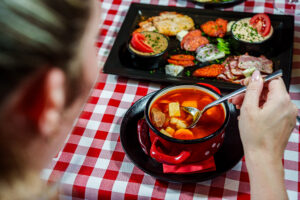
Pörkölt or Paprikash: What’s the Difference?
Although paprika plays an important role in both types of dishes, the final results are quite different. Pörkölt is typically a more concentrated, rich meat stew, while paprikash is also characterized by its creamier, sour cream-based sauce.
Beef pörkölt and chicken paprikash are excellent examples. Both are classics of traditional Hungarian cuisine, yet they demonstrate in completely different ways just how versatile this defining spice can be.
Hungarian dishes on the Menu of a traditional Hungarian Restaurant
If you really want to understand why paprika is so important in Hungarian cuisine, the best way is to discover it through classic dishes in which it is not simply a seasoning, but one of the foundations of the entire flavor profile.
That is why the menu of a traditional Hungarian restaurant will often feature goulash, paprikash, and pörkölt. The menu at Paprika Kitchen & Bar also includes several classics that allow you to discover the different sides of Hungarian paprika.
Goulash Soup
Paprika is one of the defining spices of traditional Hungarian goulash soup. At Paprika Kitchen & Bar, you can even try classic beef goulash served in a bread bowl, where the bread gradually absorbs the flavors of the rich, paprika-infused soup.
Chicken Paprikash
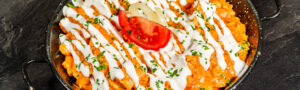
Chicken paprikash showcases the milder side of Hungarian paprika. The character of the paprika is complemented by the creaminess of sour cream, and at Paprika Kitchen & Bar, the dish is served with homemade Hungarian dumplings.
Beef Pörkölt
In beef pörkölt, slow cooking combined with a paprika and onion base creates a deeper, more concentrated flavor. Here, Hungarian paprika is one of the key ingredients behind the dish’s rich, flavorful sauce.
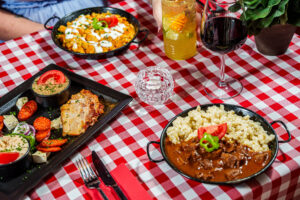
Traditional Hungarian restaurant in Budapest City Center: Discover the different sides of Paprika
If you’re looking for a traditional Hungarian restaurant in Budapest, the number of classic dishes on the menu is not the only thing worth considering. The ingredients, cooking methods, and atmosphere of the restaurant can all contribute to a more complete experience of Hungarian gastronomy.
At Paprika Kitchen & Bar, goulash soup, chicken paprikash, and beef pörkölt each showcase a different side of paprika. Traditional Hungarian restaurant atmosphere and live music add another layer to the dining experience.
If you’re searching for the best traditional Hungarian restaurant in Budapest, it is worth considering what an authentic Hungarian experience means to you. If classic dishes, a central location, and traditional atmosphere are all important, Paprika Kitchen & Bar is one of the places worth discovering.
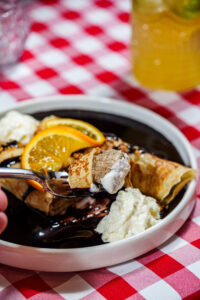
And if you would like something sweet after a hearty main course, you can finish your evening with a classic Gundel pancake.
In a single dinner, you can not only taste traditional Hungarian dishes but also discover why paprika has become one of the most important symbols of Hungarian cuisine.
Reserve your table at Paprika Kitchen & Bar!